
Areas
Access to Facilities
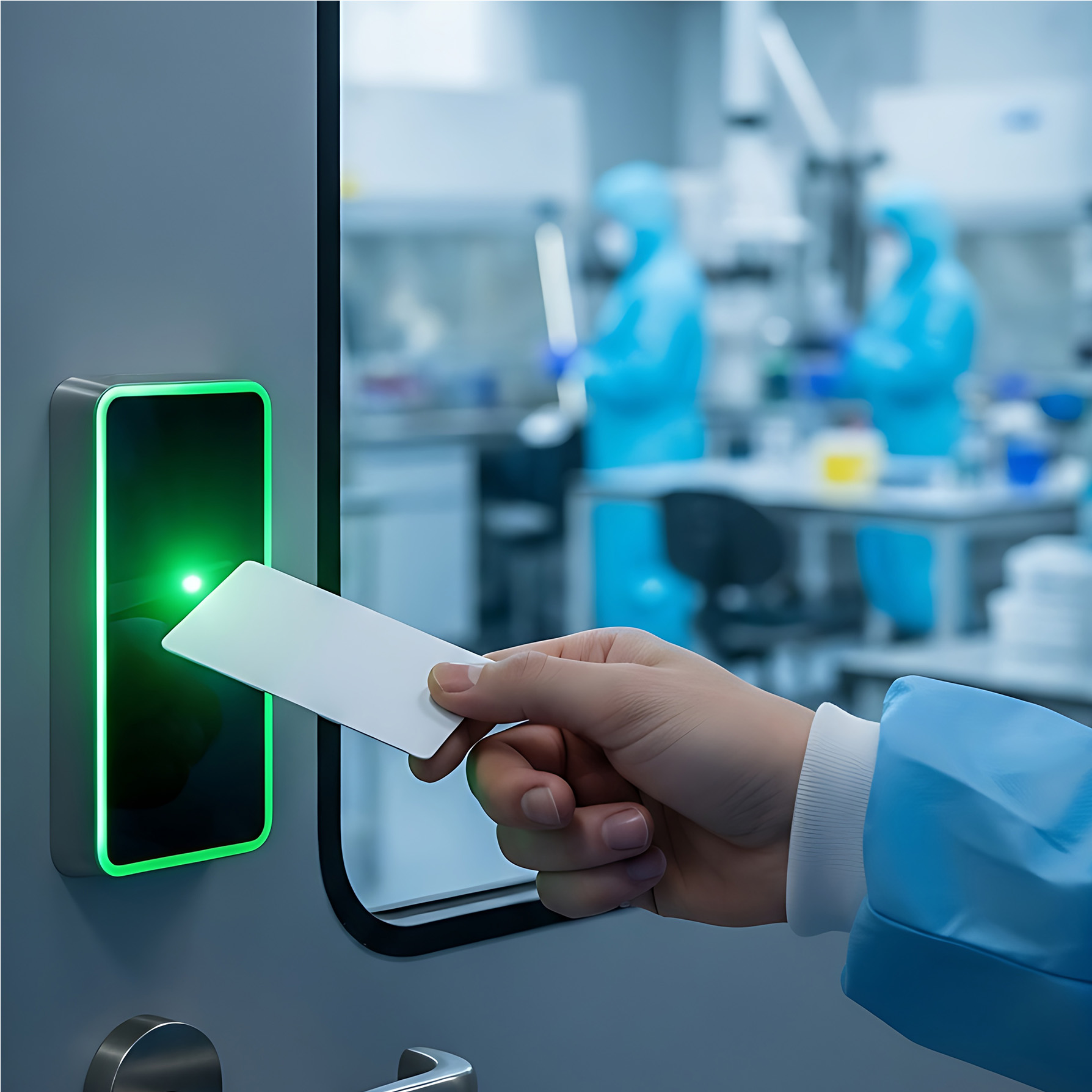
Laboratories, server rooms, pilot lines, and advanced scientific equipment house research's most valuable physical assets: unique prototypes, patented processes, critical samples, and irreplaceable technological capabilities. Access to these facilities without the necessary control and monitoring protocols—by visitors, external collaborators, or even unauthorized personnel—can result in technology theft, sabotage, or the transfer of tacit knowledge through mere observation. Controlling physical access protects institutions' scientific assets, ensuring that scientific facilities and laboratories generate value for the system without compromising their integrity.
Warning signs
Act immediately if you notice visitors repeatedly taking photos of equipment or setups without explicit permission, asking very specific questions about technical specifications or capabilities, requesting access to multiple labs without justification, taking detailed notes on layouts or workflows, or showing up in restricted areas at unusual times without visible accreditation or an escort.
Aspects to consider
Each institution must systematically map which spaces and equipment in the center contain unique or strategic value:
Unique prototypes that cannot be replicated? Experimental lines with patented processes underway? Critical instrumentation whose specific configuration is proprietary?
Evaluate your current visitor protocol: Is there a formal entry/exit log? Are visitors escorted in sensitive areas? Are there clearly marked areas where photography is prohibited?
Check if temporary access credentials (cards, codes) expire automatically and if you have an up-to-date inventory of which equipment or materials are literally irreplaceable.
Also consider human oversight: Is there someone clearly responsible for authorizing and monitoring access outside the usual group?
Good practices
Classify your facilities by visual risk (green = unrestricted access, yellow = direct supervision, red = prohibited without written authorization). Require formal pre-authorization for any external visit to yellow/red zones, accompanied by a simple Non-Disclosure Agreement (NDA) when the visitor accesses critical capabilities. Physically escort all external visitors in sensitive areas—never allow self-guided tours. Explicitly prohibit mobile phones/cameras in red zones or require full airplane mode. Configure credentials with automatic expiration (24-48 hours of inactivity = blocked). Maintain an up-to-date photographic inventory of unique equipment and conduct quarterly audits of granted access versus actual justification. Train reception staff to identify anomalous behavior.